Customizing Shoes for Weddings
As an experienced embroidery designer, I often look for unique and versatile machine embroidery designs that can be adapted to a wide range of small business merch. Customizing Shoes for Weddings caught my attention with its potential to transform simple footwear into a standout piece for special occasions. This class offers more than just a creative project—it provides a foundation for branded merchandise, patches, and custom apparel that can elevate a business's visual identity.
First Impressions: A Design with Versatility in Mind
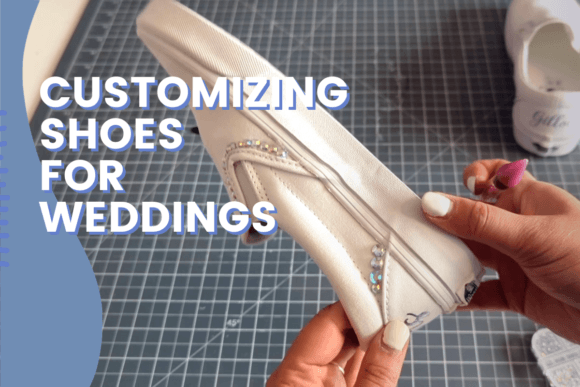
From the title alone, Customizing Shoes for Weddings suggests a design that is both elegant and practical. The description hints at a focus on making simple pumps look fabulous, which aligns with the needs of small businesses looking for eye-catching embroidered patches or apron embroidery. The design feels professional yet approachable, making it suitable for handmade products, boutique merchandise, and even commercial embroidery projects.
The concept of customizing shoes for weddings or proms also opens up opportunities for event merch, customer gifts, and Etsy branding. Whether used as a chest logo accent or a tote bag design, this design has the potential to add a personal touch to any product line.
Real Business Use: From Patches to Uniforms
For small business owners, the ability to repurpose a single design across multiple items is invaluable. Customizing Shoes for Weddings could easily be adapted into an embroidered patch for staff uniforms, a cap embroidery detail, or a sleeve embellishment on work shirts. Its aesthetic also works well as a tote bag design or a product packaging accent, helping to reinforce brand identity through consistent visuals.
When considering apron embroidery or custom apparel, the design’s structure and style make it a strong candidate. It could serve as a subtle yet memorable feature on a café apron or a bakery uniform, adding a touch of elegance without overwhelming the overall look.
For crafters and digital embroidery file buyers, this design could be a valuable addition to a collection of design assets. It could be used in printable mockups, allowing clients to visualize how the design would appear on different products before production begins.
Where to Use with Caution
While Customizing Shoes for Weddings shows promise, there are certain applications where caution is advised. Small patch sizes may not capture the full detail of the design, especially if the original file includes intricate elements. Similarly, using it on cap fronts or curved surfaces could lead to distortion or loss of clarity.
Items with high stitch density or detailed outlines might require additional adjustments to ensure the finished product looks clean and professional. Textured fabrics or dark uniforms could also affect the visibility of thread colors, so testing on real fabric is essential before mass production.
Businesses should also consider the frequency of washing when using this design on items like tote bags or aprons. Proper stabilizer use and correct hoop size are critical to maintaining the integrity of the embroidery over time.
Impact on Brand Identity and Customer Trust
A well-designed embroidered patch or custom apparel can significantly enhance a brand’s visual consistency and professionalism. Customizing Shoes for Weddings, when adapted correctly, can help small businesses create a cohesive look across all their products, from tote bags to event merch.
Customers are more likely to trust and engage with a brand that presents itself with clear, consistent, and high-quality visuals. Using this design as a chest logo accent or a product label can reinforce that sense of reliability and craftsmanship, especially for handmade products or small-batch creations.
For Etsy sellers or craft business owners, incorporating this design into their product line can increase buyer engagement by offering a unique and personalized element that sets them apart from competitors.
Practical Designer Notes for Business Use
Before finalizing any use of Customizing Shoes for Weddings, I recommend testing the design in black and white to assess its clarity and contrast. Checking how it appears at small patch sizes is also crucial, as details may not translate well when scaled down.
Reviewing thread color options and ensuring they stand out against the fabric is another important step. Spacing between elements should be inspected to avoid overcrowding, and the hoop size must be confirmed to ensure compatibility with your embroidery machine.
Using the right stabilizer for the fabric type will prevent puckering or distortion, while creating a mockup for client approval helps set expectations. Comparing this design with other design assets ensures it fits within your brand’s visual language.
Finally, always confirm commercial licensing before using the design for business purposes. While the class may offer access to the digital embroidery file, specific terms for resale or reproduction may vary.
Conclusion: A Design with Broad Potential
Customizing Shoes for Weddings is more than just a tutorial on shoe decoration—it’s a versatile machine embroidery design with real business value. When adapted for branded merchandise, patches, or custom apparel, it can enhance a small business’s visual appeal and customer connection.
With proper testing, thoughtful application, and attention to detail, this design can become a key asset in a business’s product lineup. Whether used on aprons, caps, or tote bags, it has the potential to leave a lasting impression on customers and strengthen brand recognition over time.